WW1 day in Ypres
Mileage total - 1490
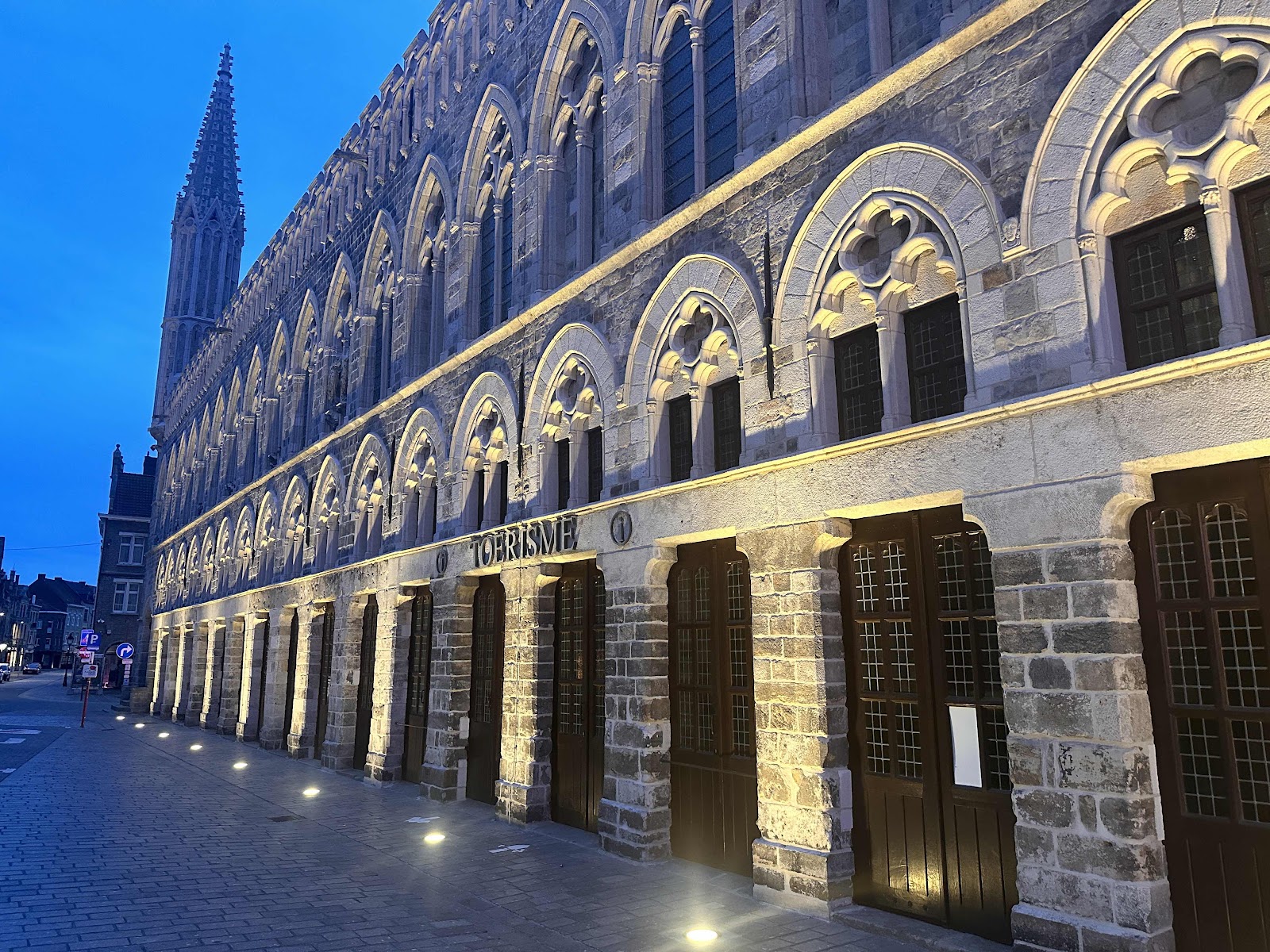
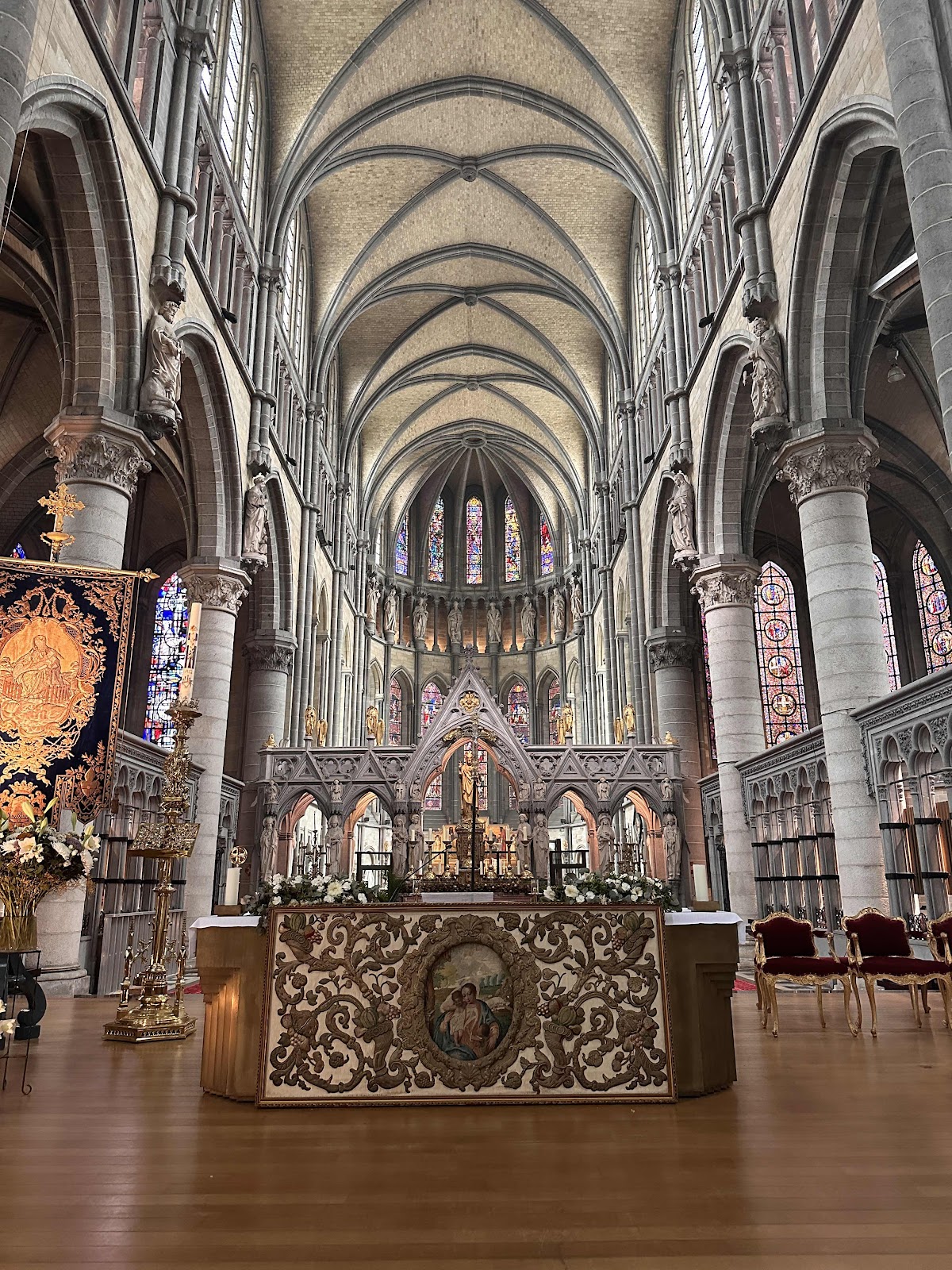
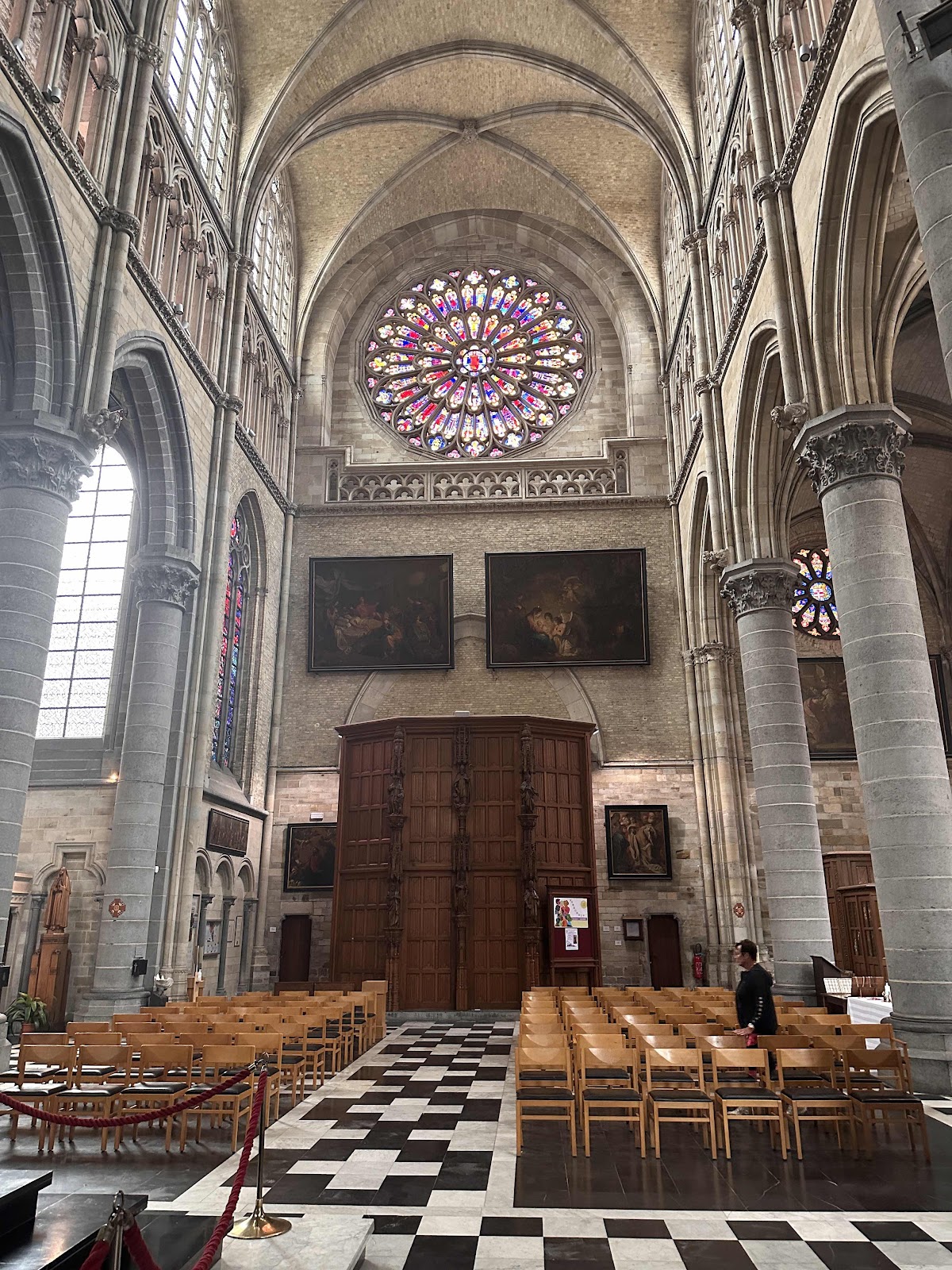
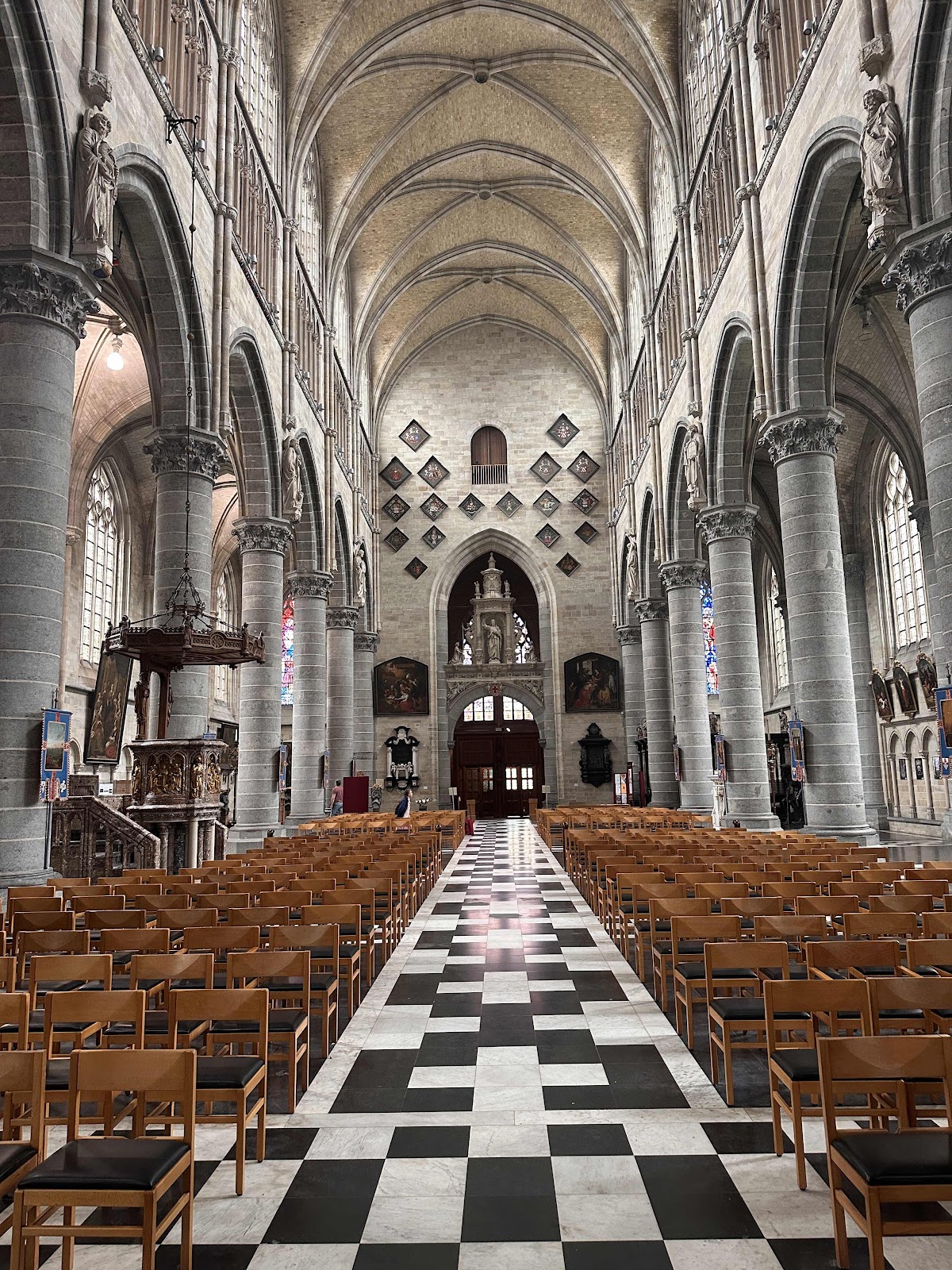
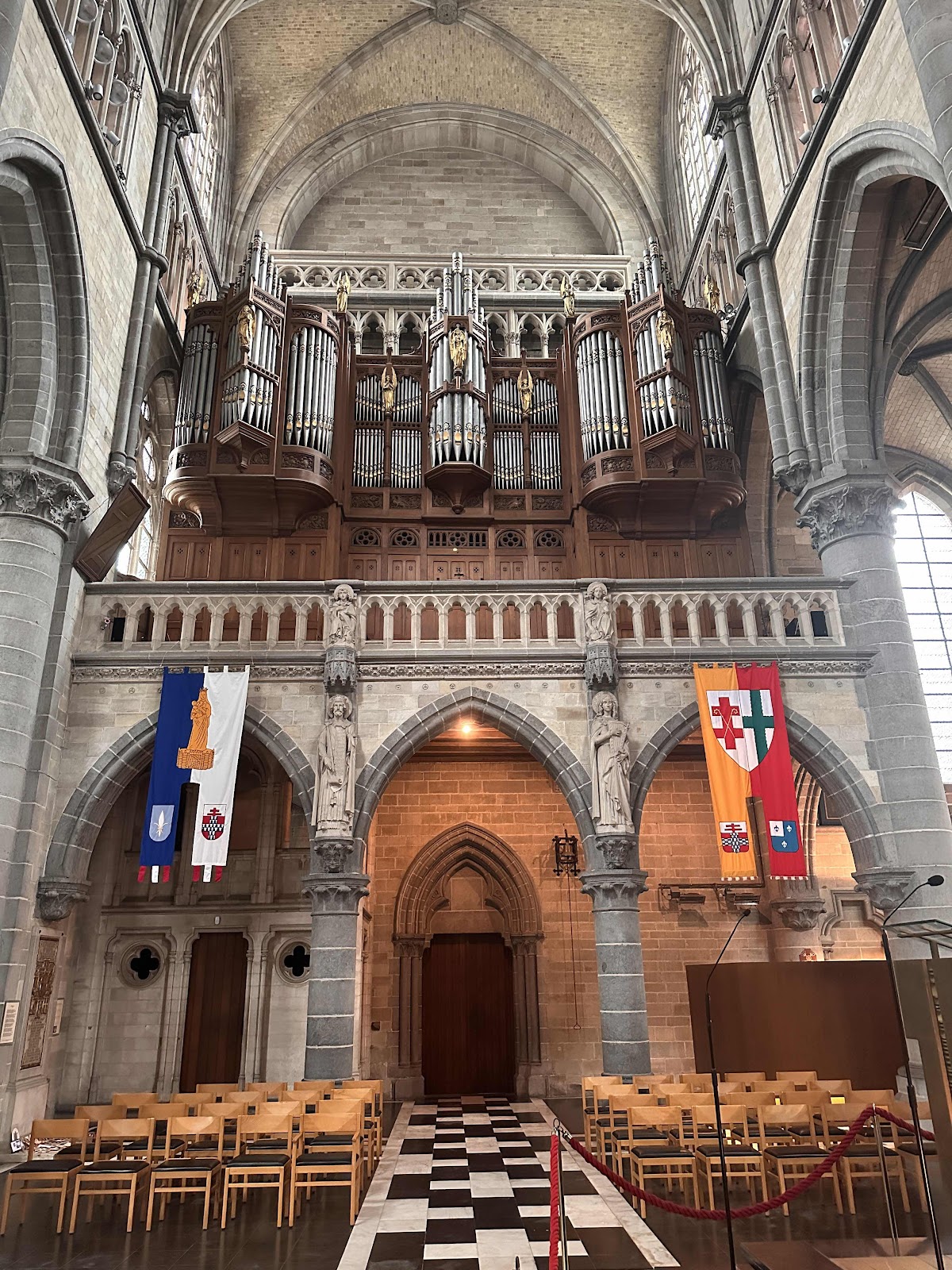
St. Martin's Cathedral, destroyed in WW1 and rebuilt. Free to get in but be quick, we were only in there for 10 minutes before being ushered out and told the doors were being shut. House of god not always open it would seem. Still got a couple of good pictures before they booted us out.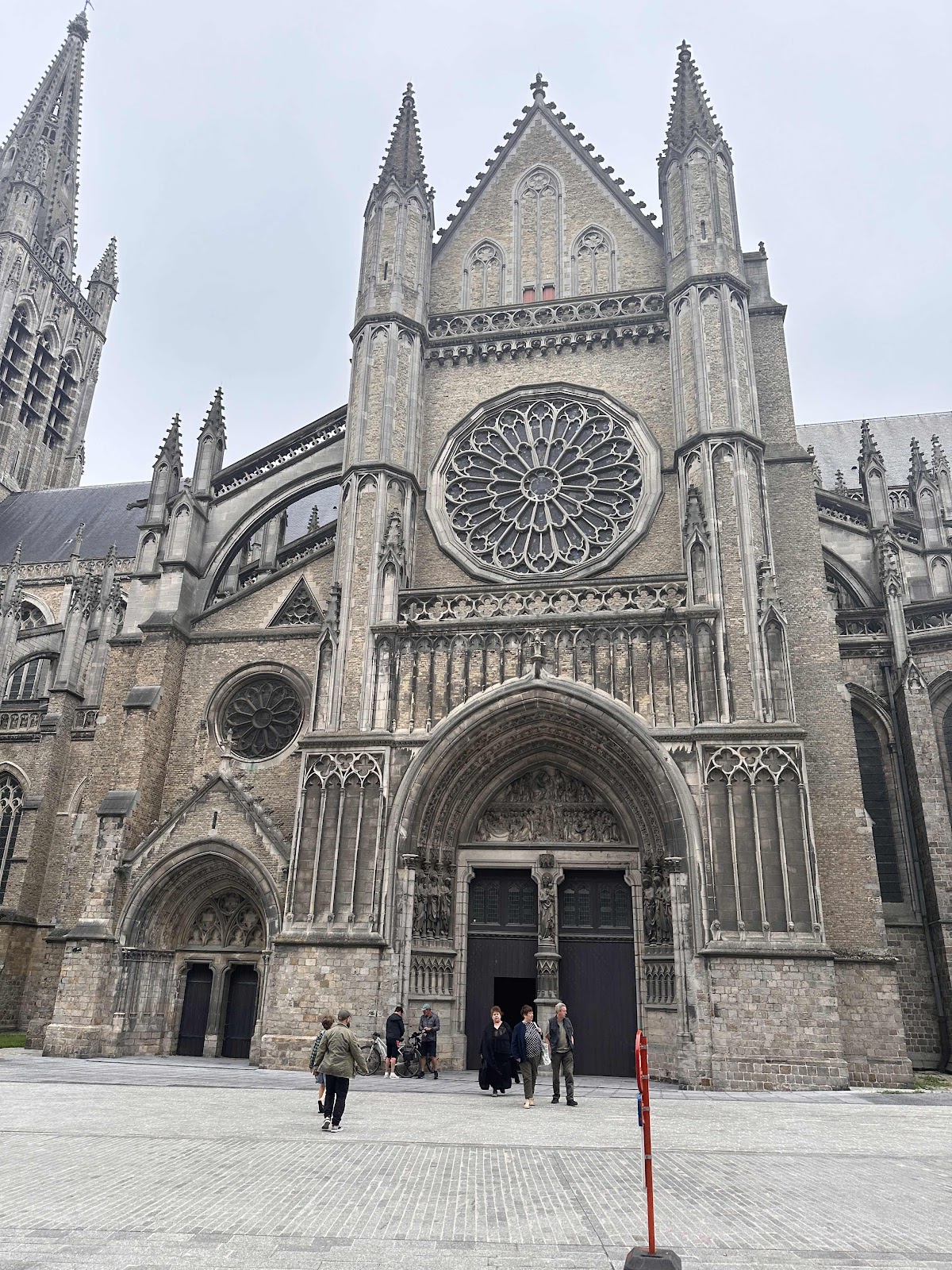
In the WW1 museum of Lèpre (in the old cloth making building) you can search for people by location who gave their lives in WW1. I came across this fella from Buckley where I lived for 20 years.

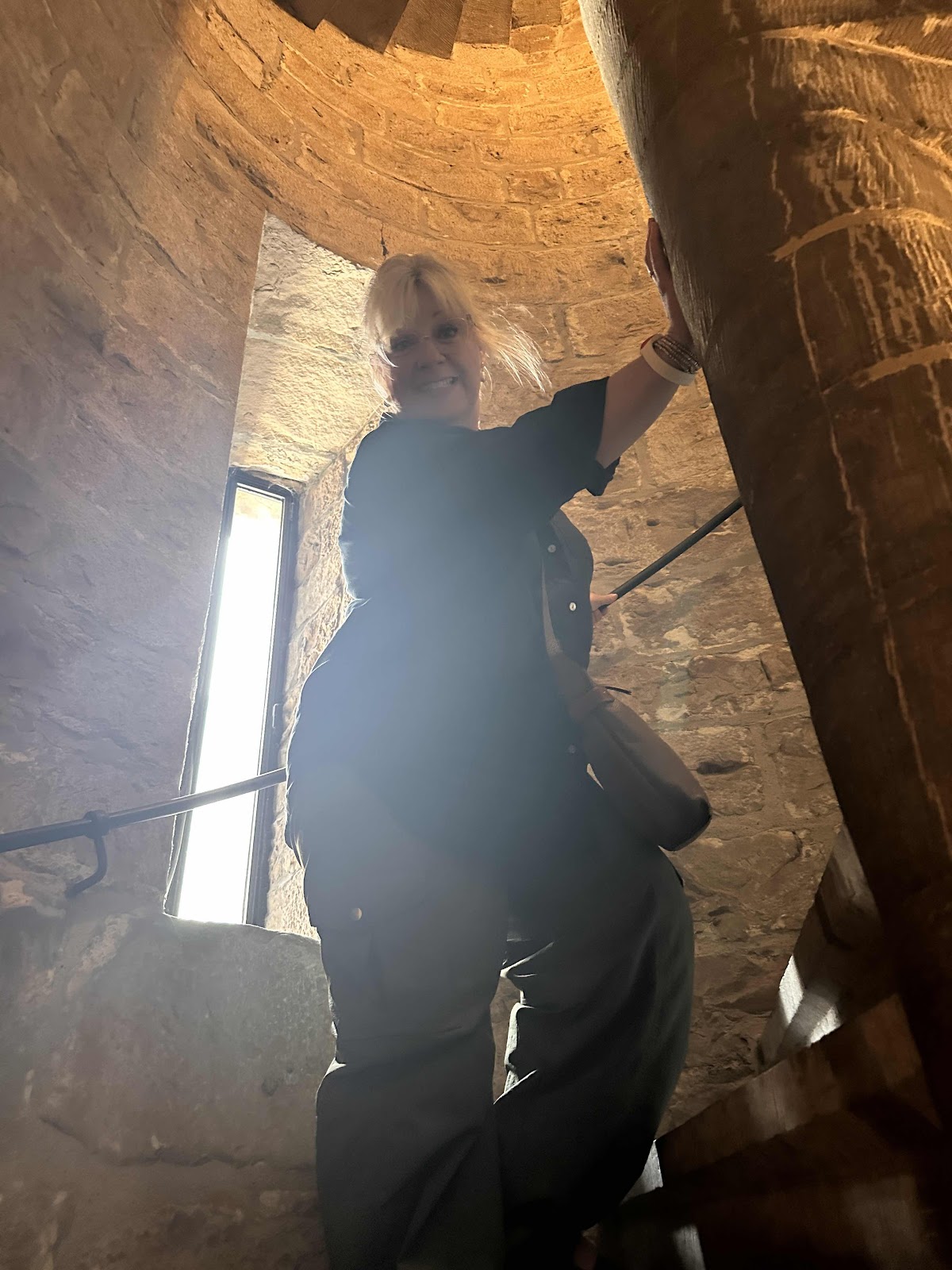
There was over 200 steps up to the Bell tower, Deb’s smiley face suggests we have only just started climbing.
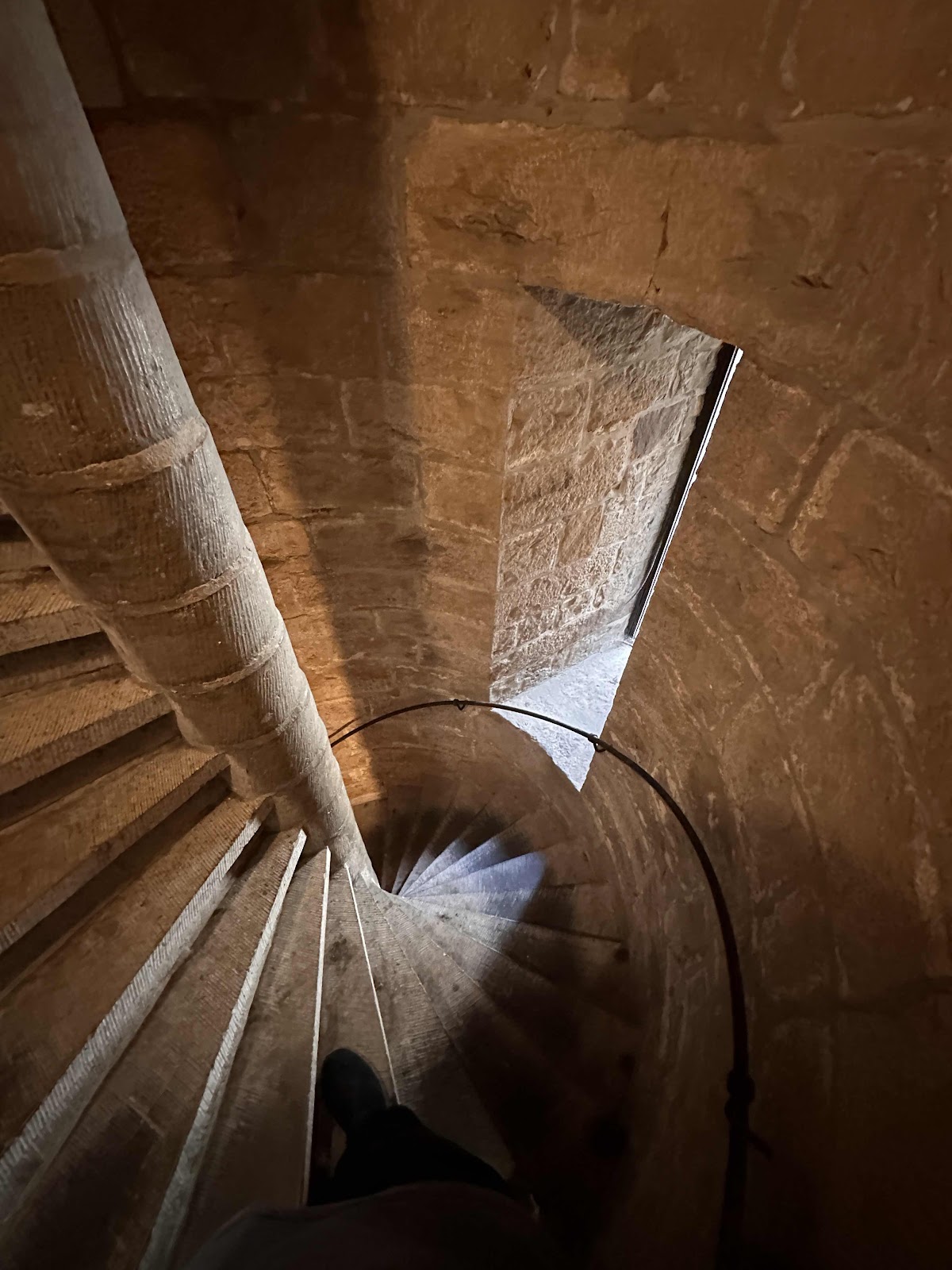
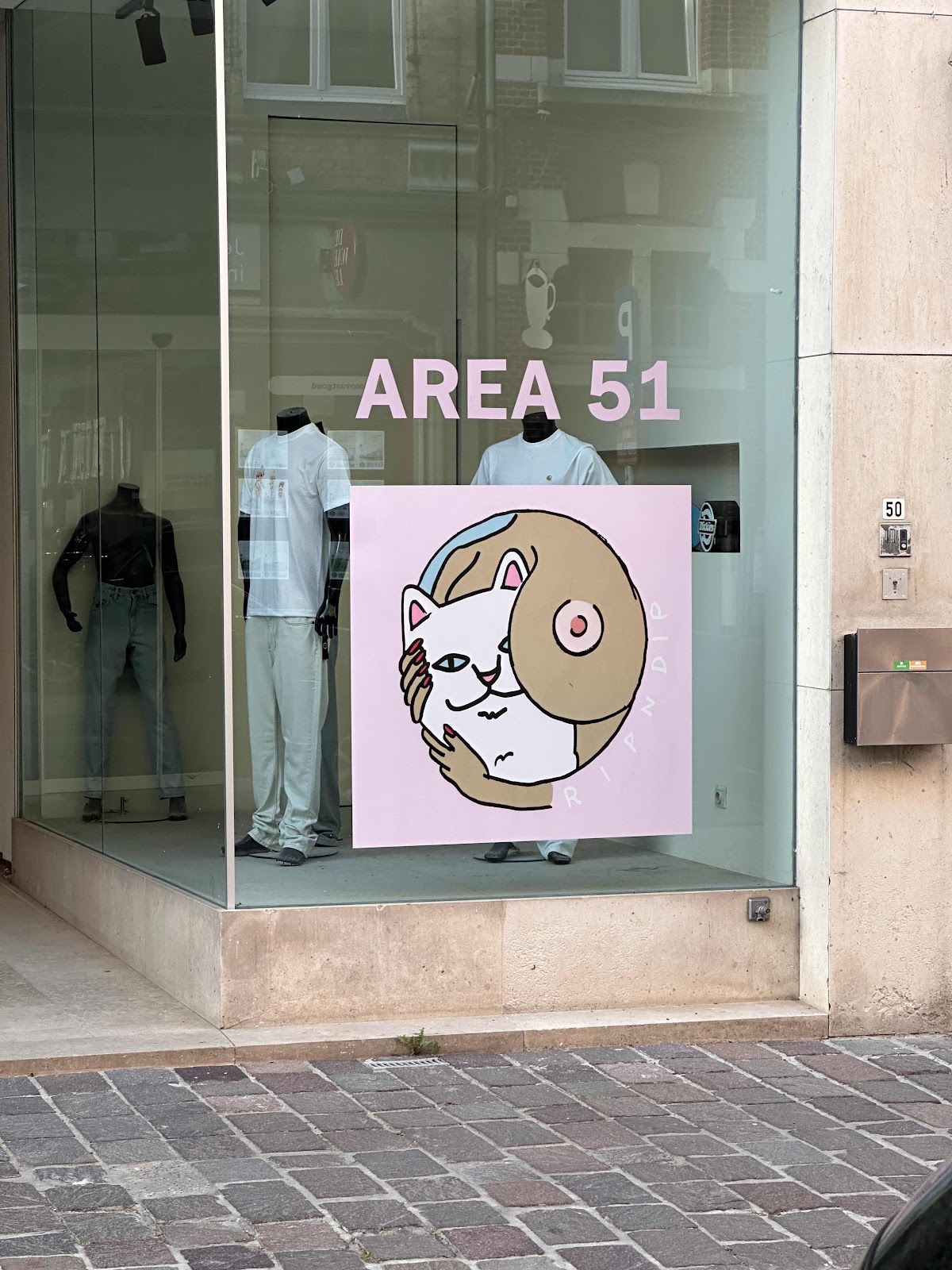
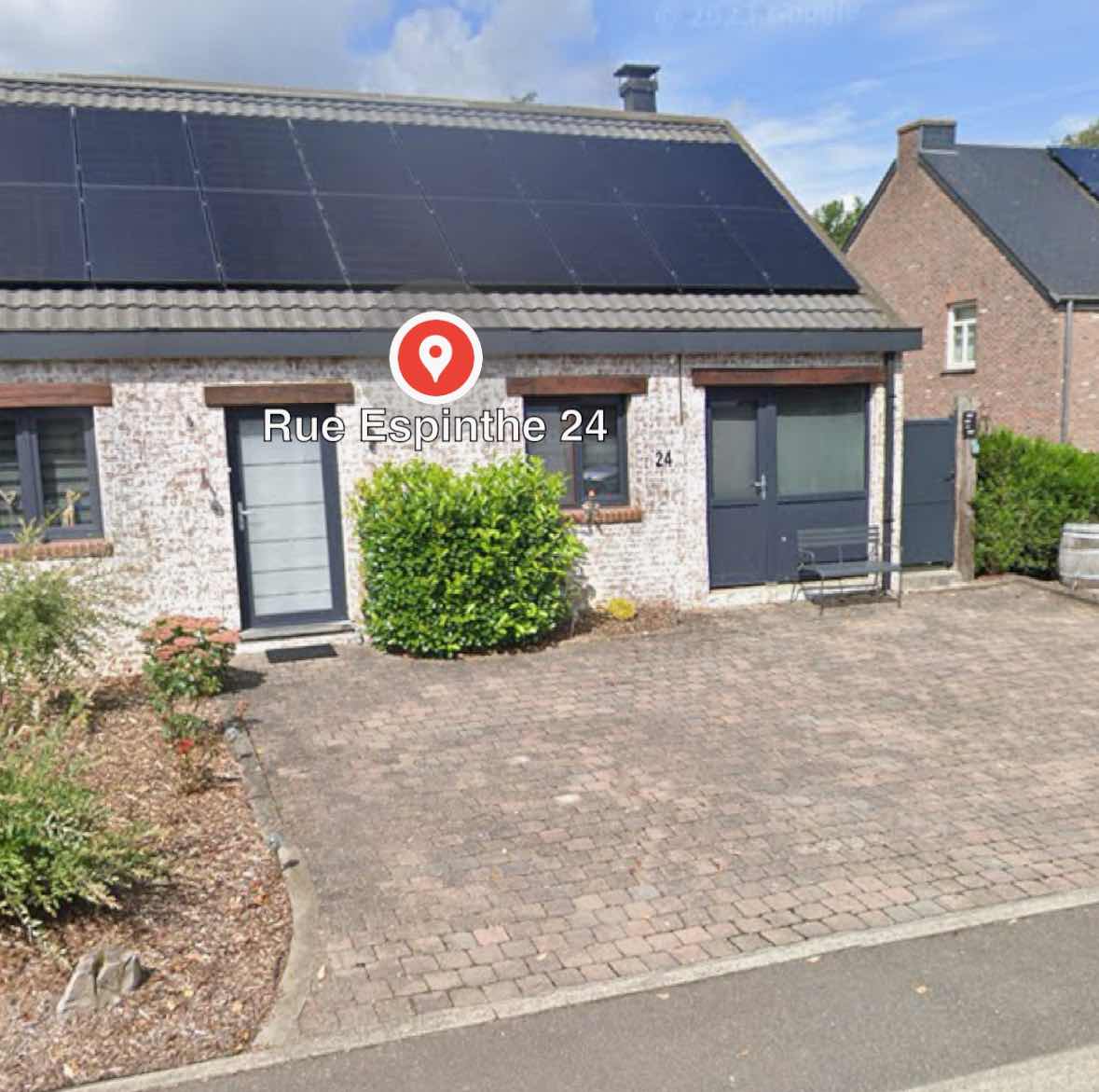
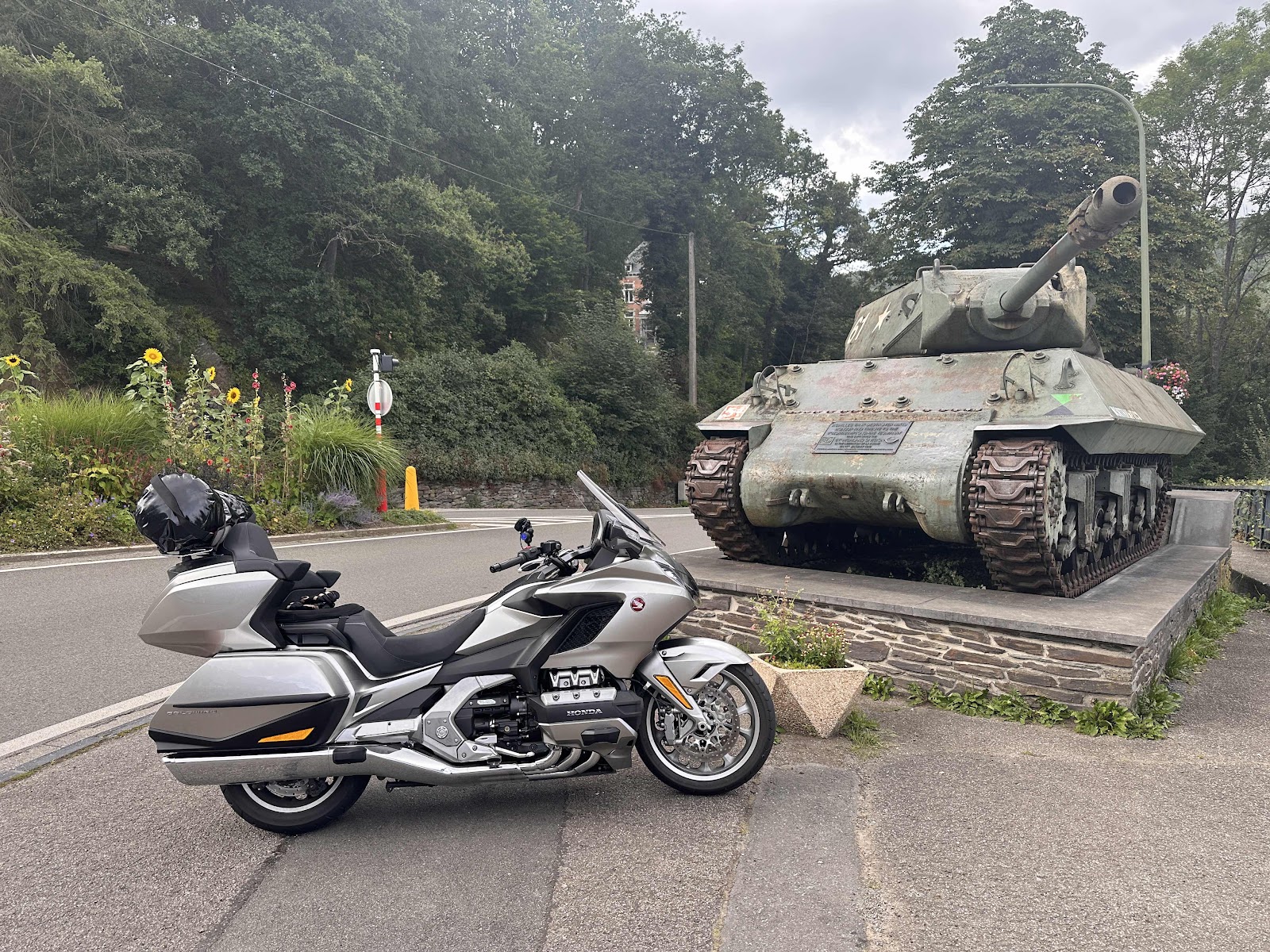
And finally a random picture that we struggle to explain
Mileage today - 15
Toll roads £0
The Cloth Hall, called the Lakenhalle in Flemish, is located in the centre of Ypres. “Laken” is the Flemish word for a type of high quality woollen woven cloth. It is also home for the In Flanders Fields Museum
St. Martin's Cathedral, destroyed in WW1 and rebuilt. Free to get in but be quick, we were only in there for 10 minutes before being ushered out and told the doors were being shut. House of god not always open it would seem. Still got a couple of good pictures before they booted us out.
In the WW1 museum of Lèpre (in the old cloth making building) you can search for people by location who gave their lives in WW1. I came across this fella from Buckley where I lived for 20 years.
There was over 200 steps up to the Bell tower, Deb’s smiley face suggests we have only just started climbing.
When I got to the very top off the bell tower there was a young lad in floods of tears and being consoled by his British mum. Turns out the bells had sounded just as he reached the top and it scared the bejesus out of him. I know it reflects bad on me that I thought this was mildly funny.
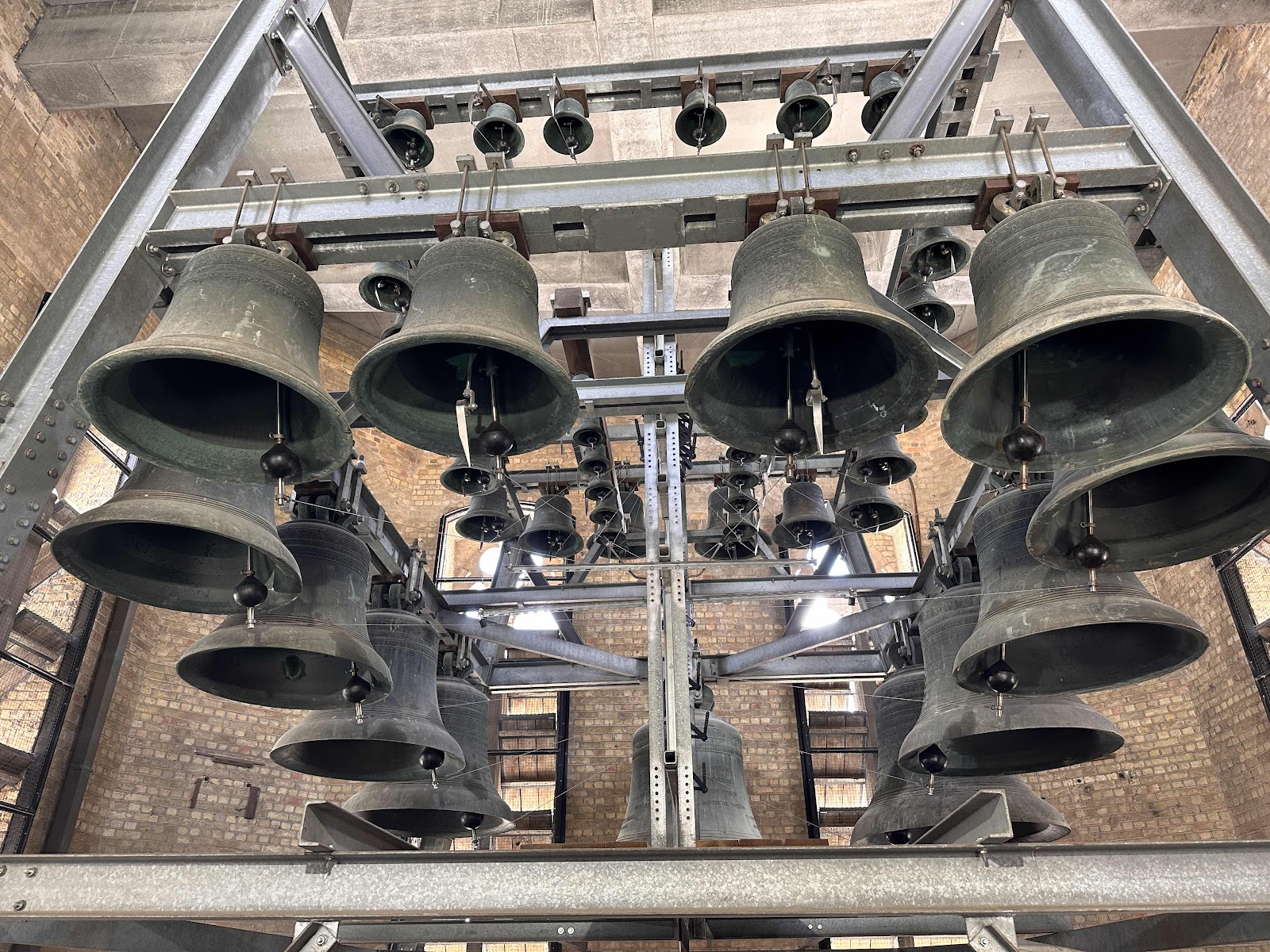
49 Bell Carillion
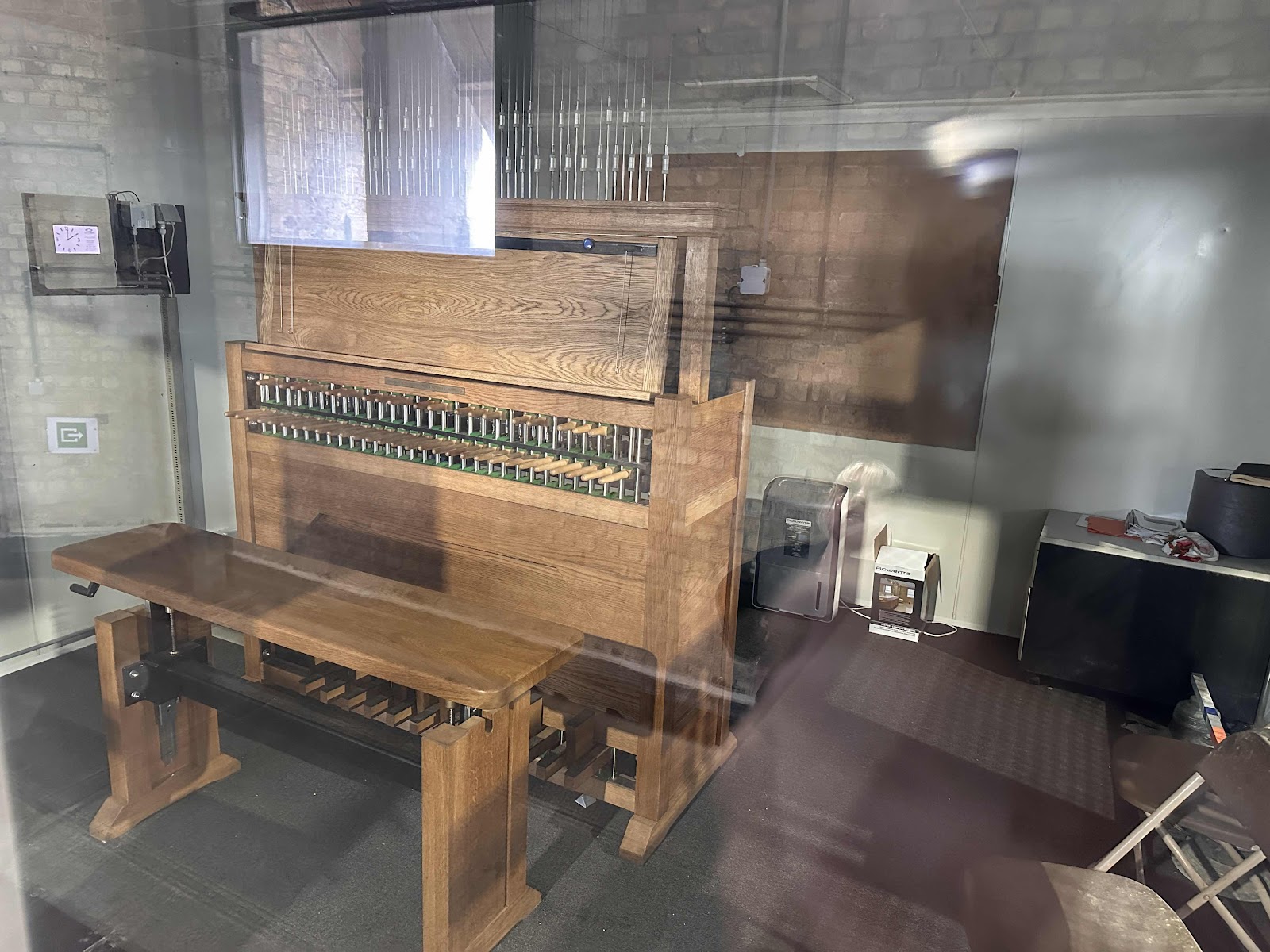
Now operated by computer and pneumatics but was once operated using this ‘Keyboard’
200 steps to get up there, was knackered.
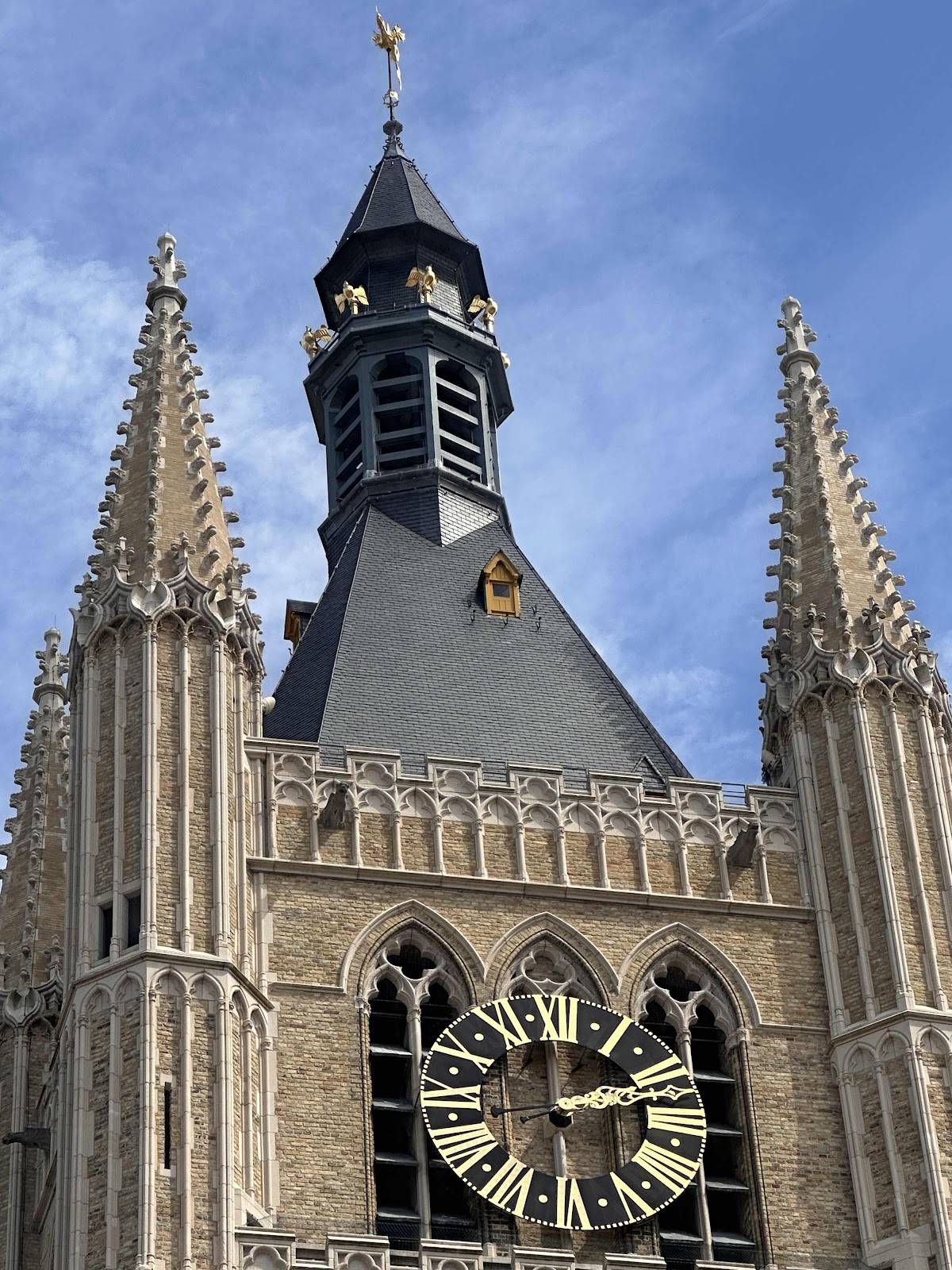
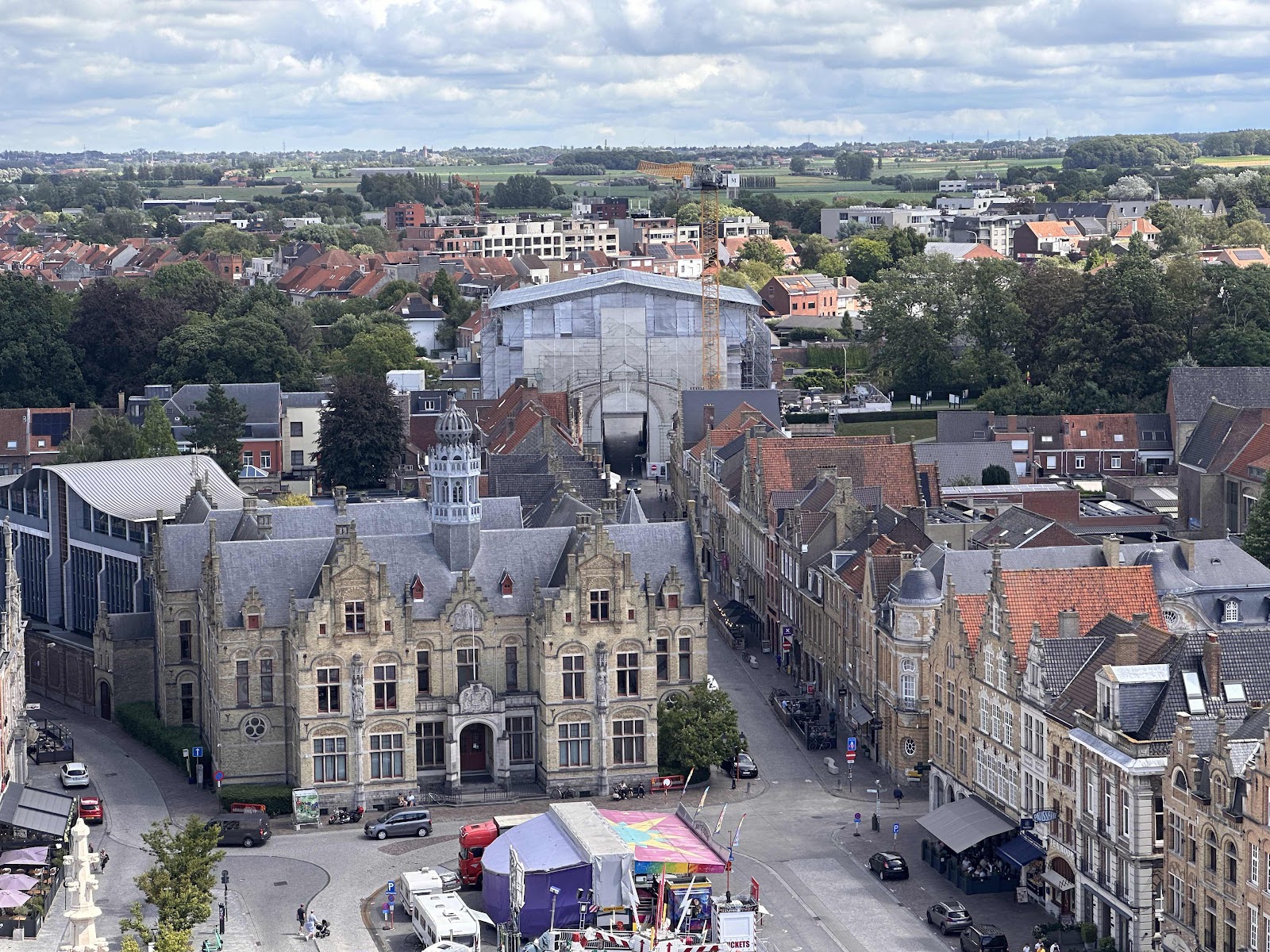
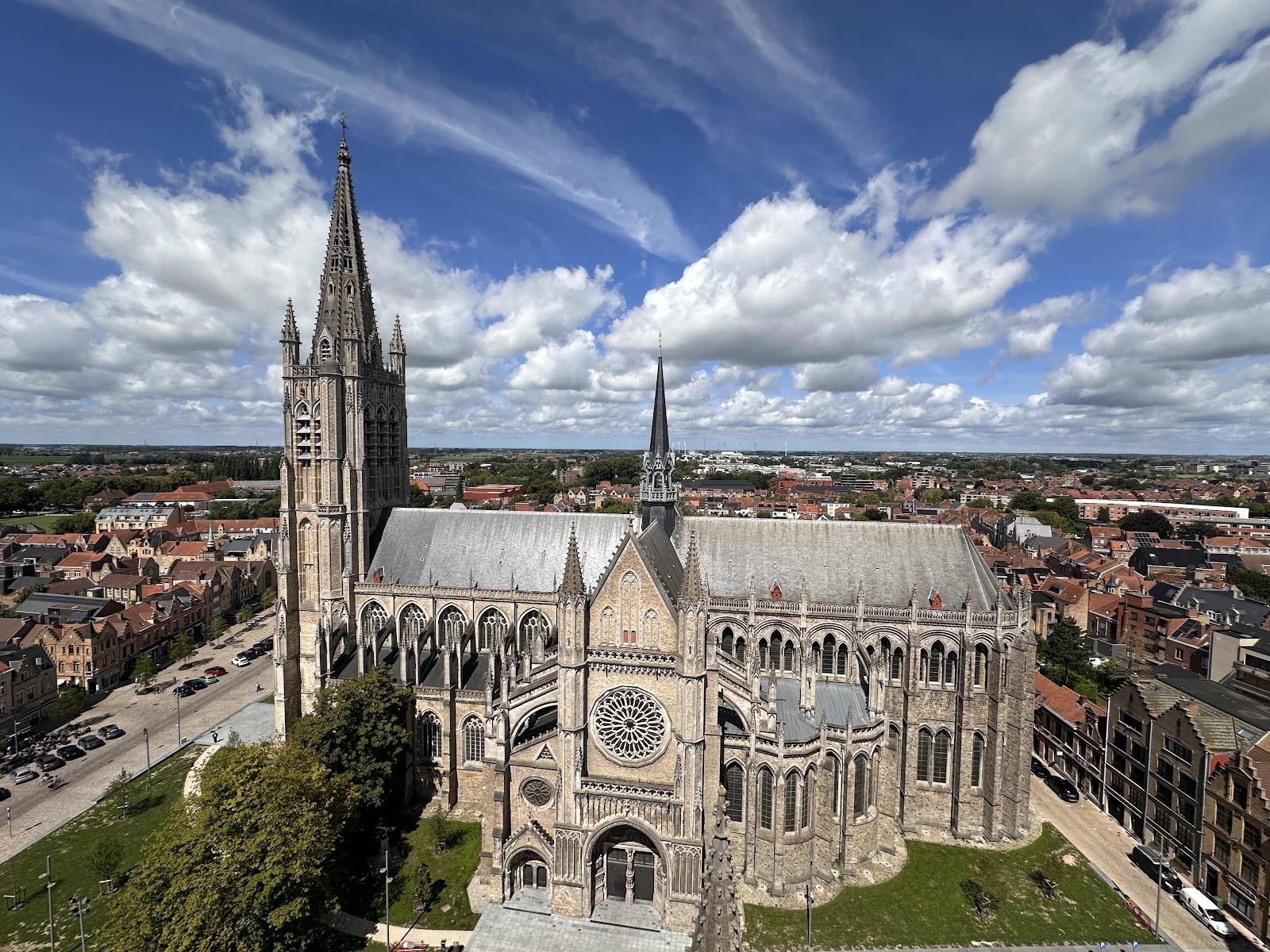
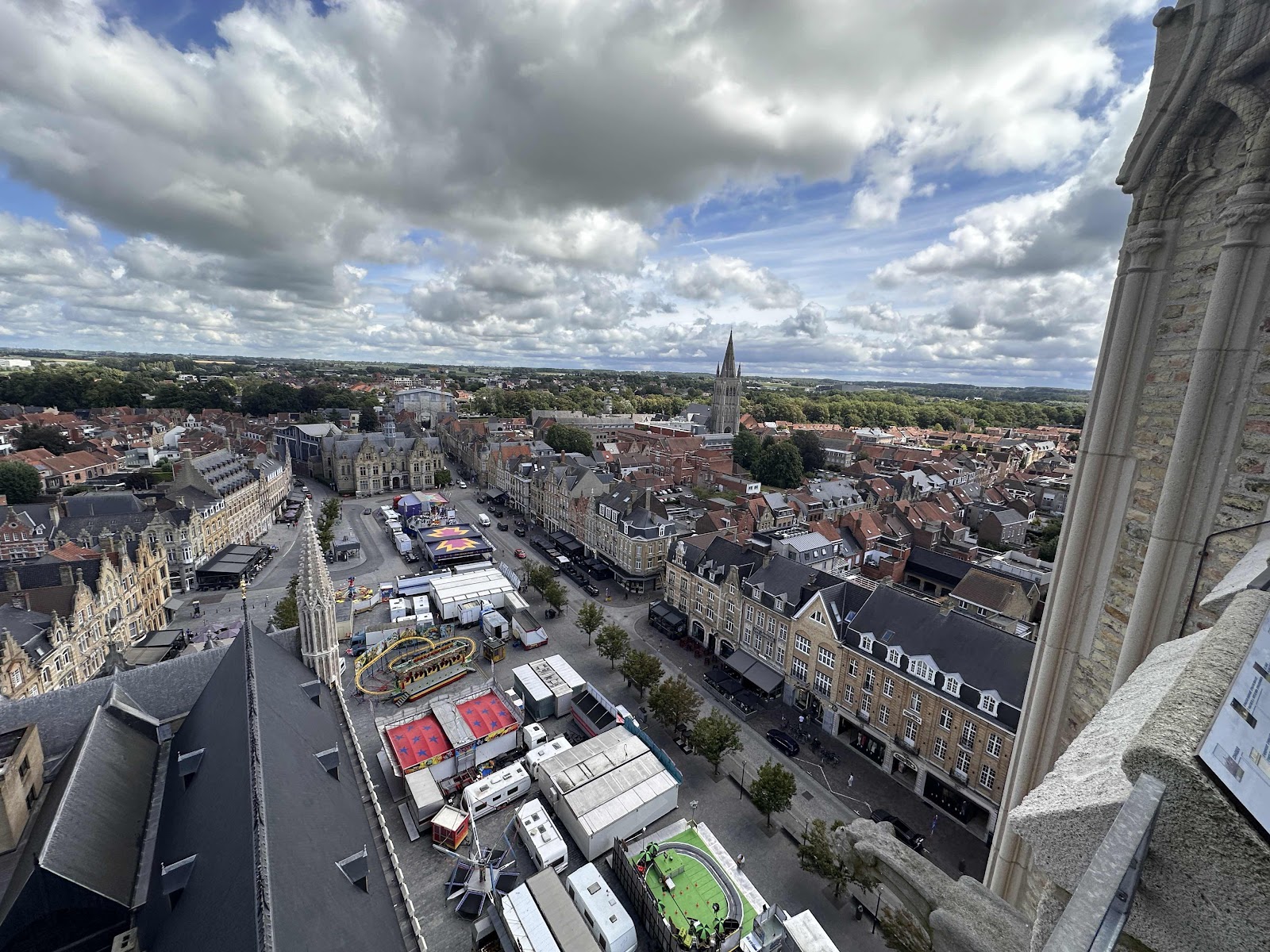
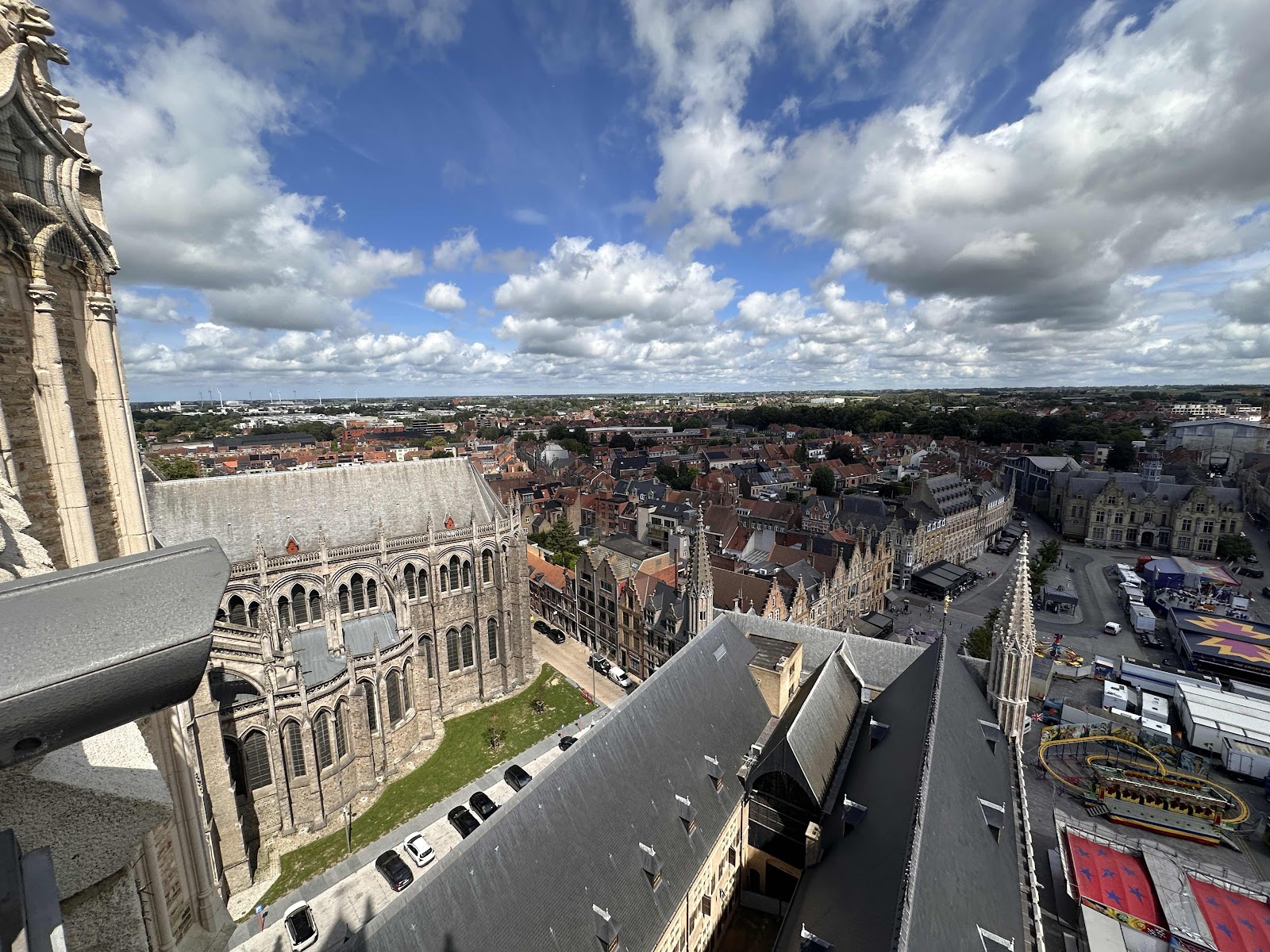
But the view made it worth while. What is not shown in these photos is Deb clinging onto the railings because it was ‘too high’. Apparently the 200 steps gave no clue that it might be a little bit ‘in the air’.
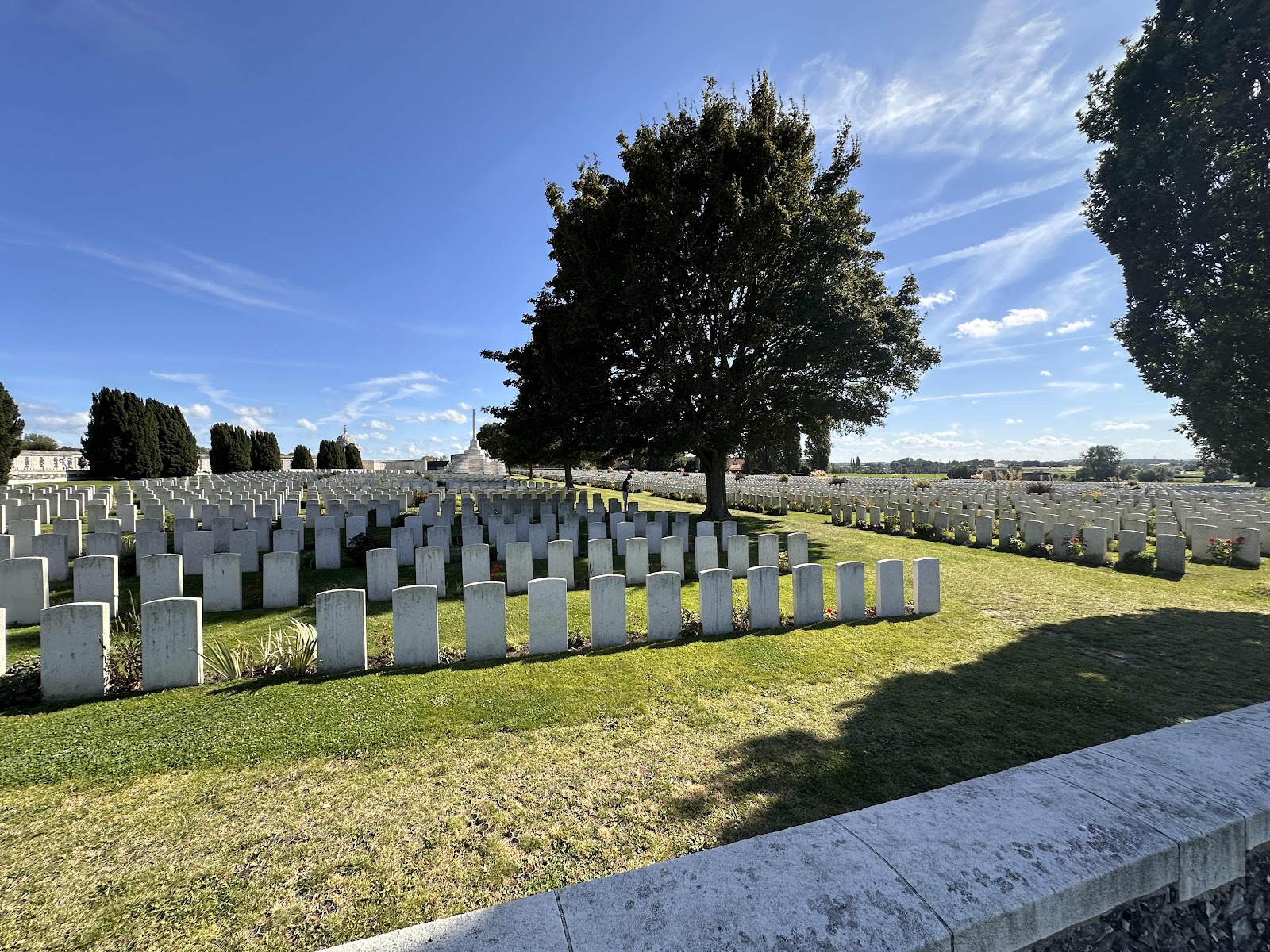
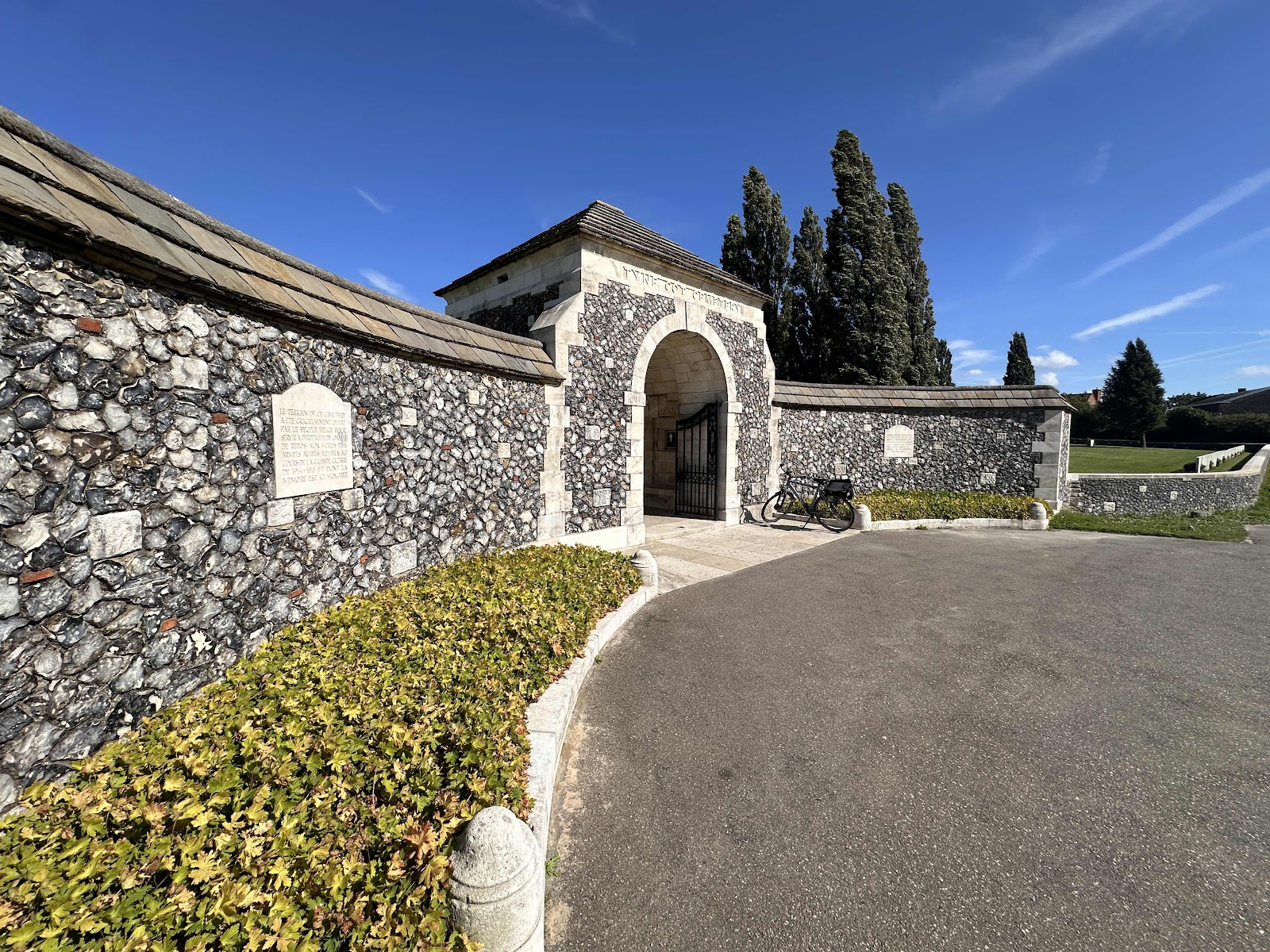
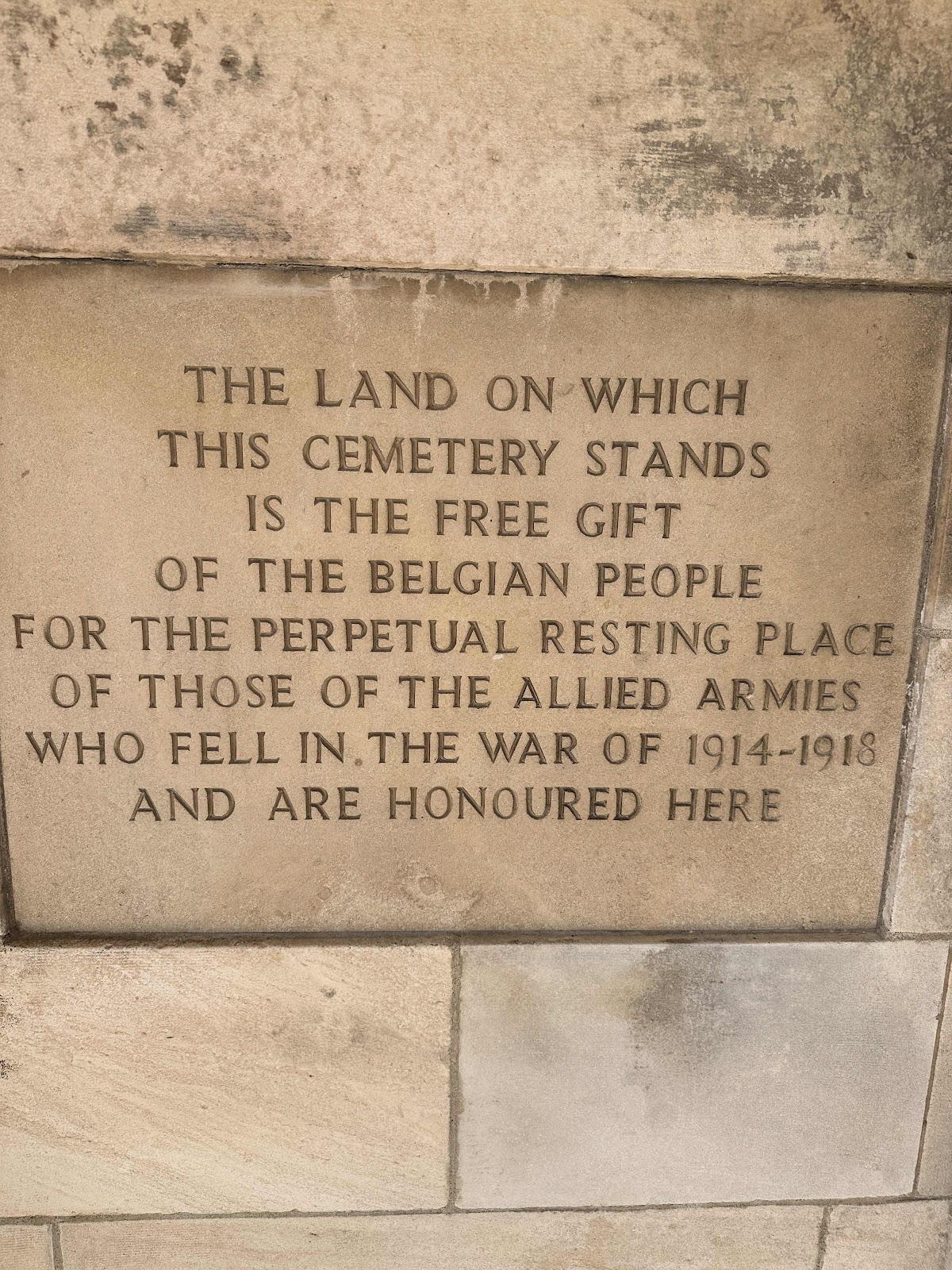
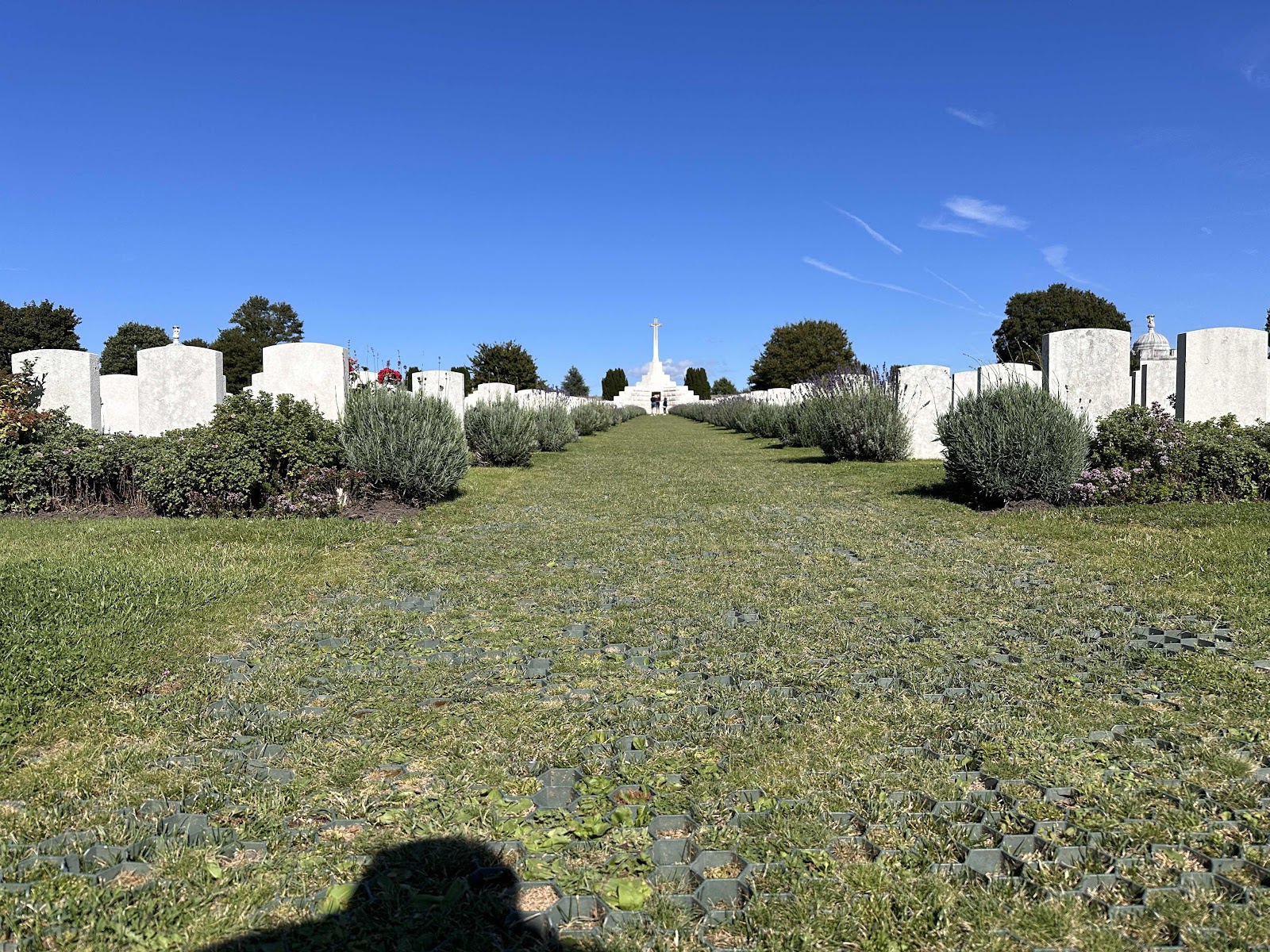
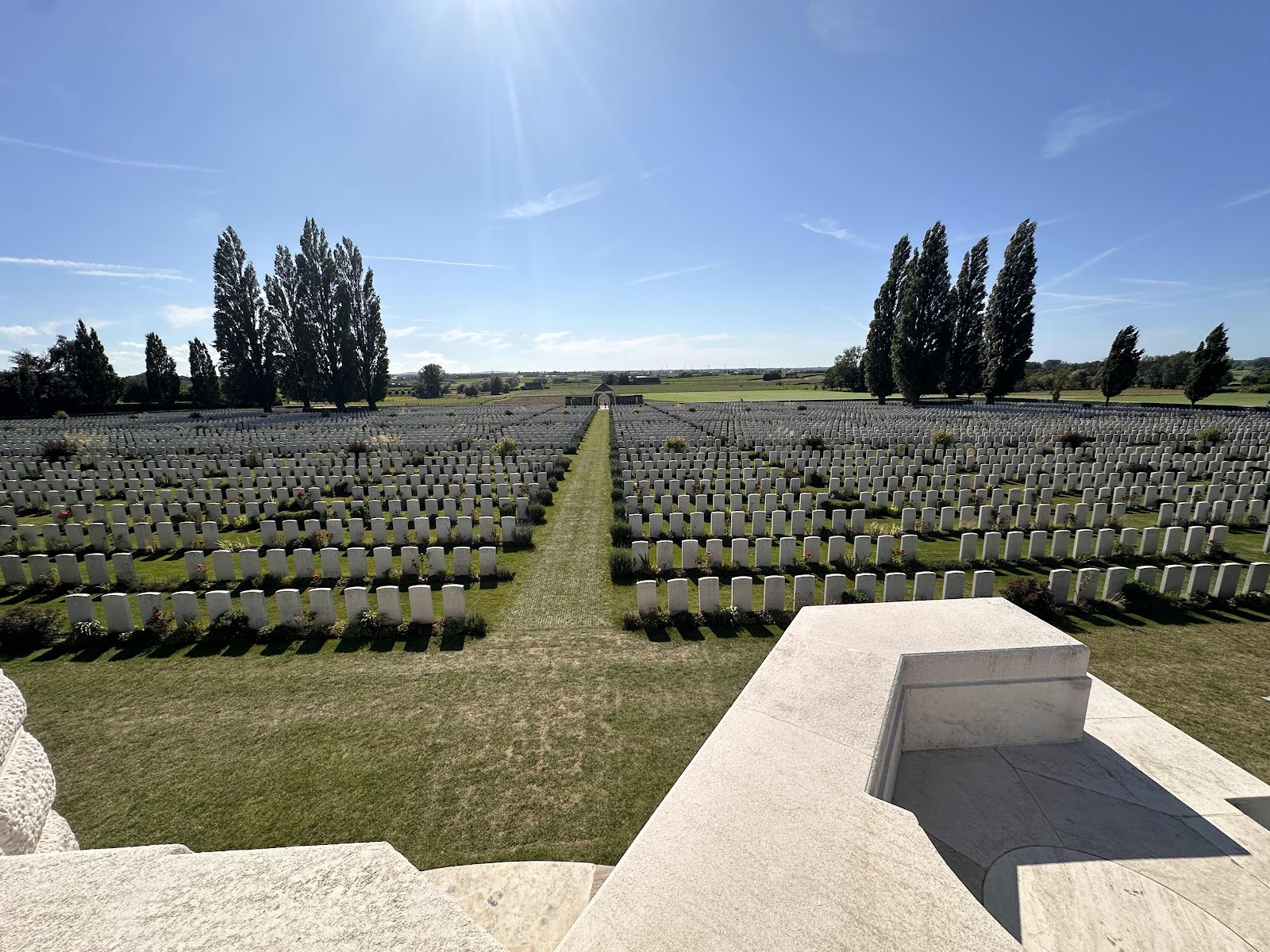
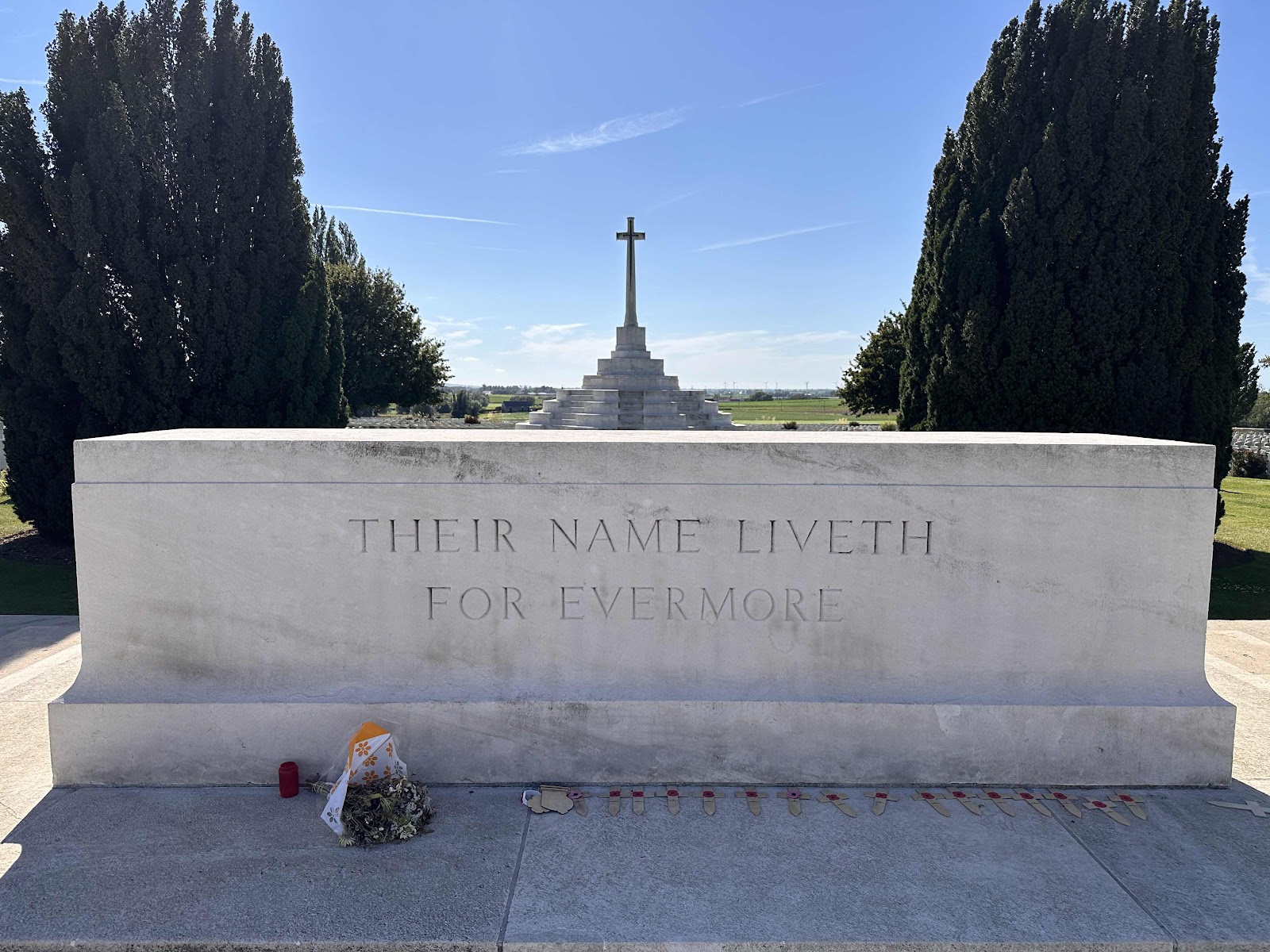
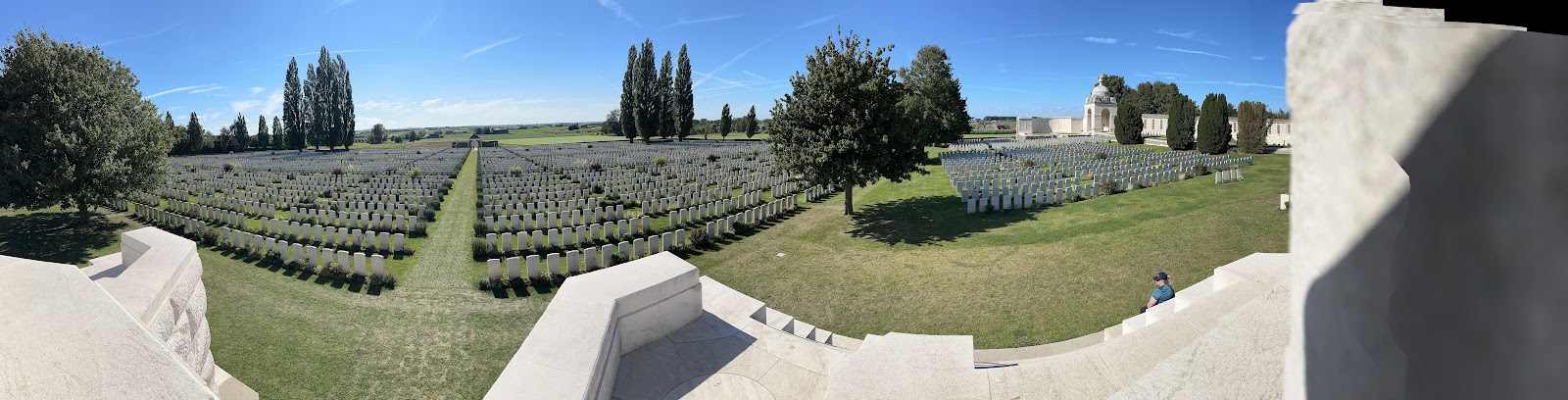
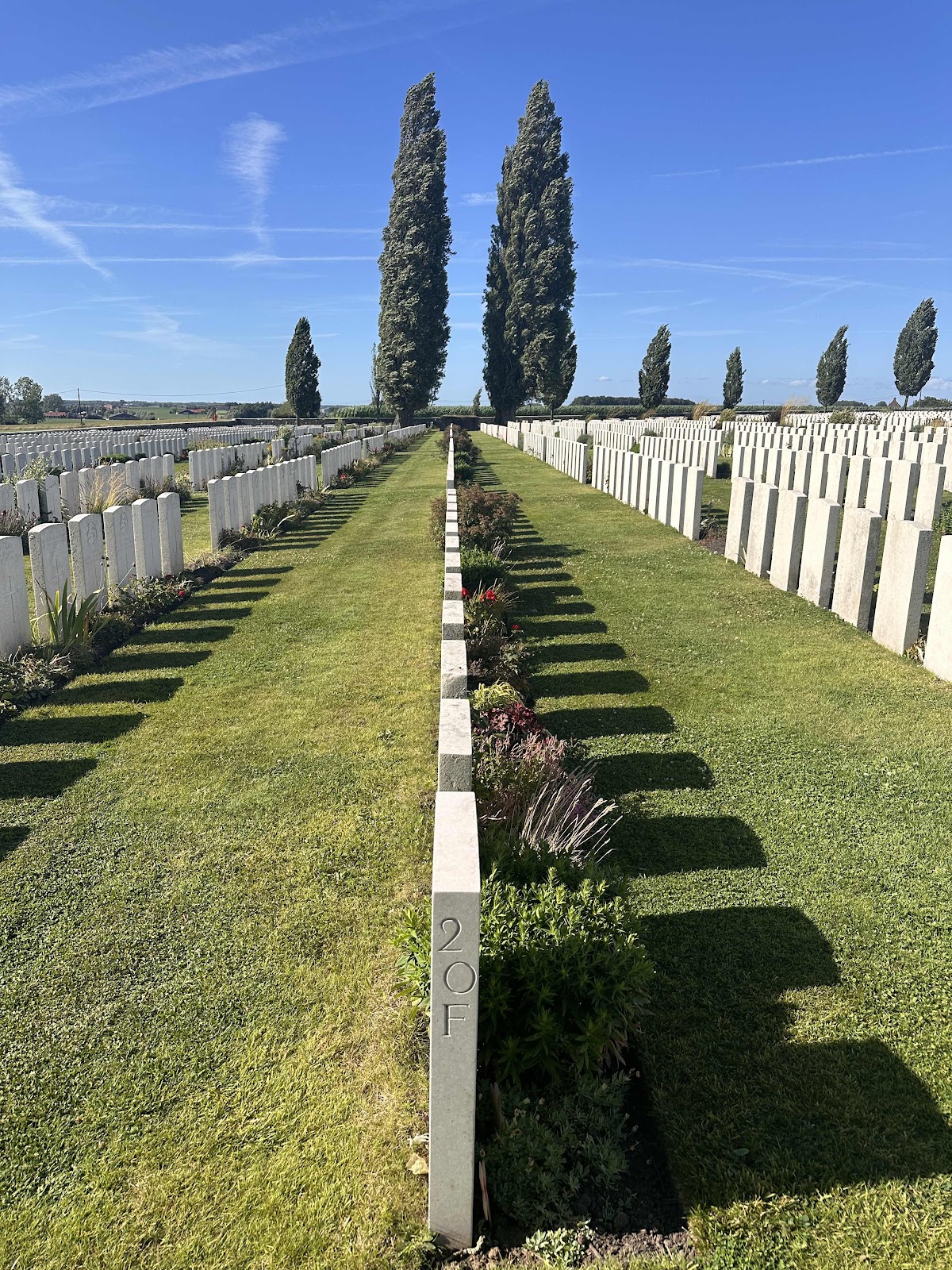
Finally we took a ride out to Tyne Cot Cemetery & Memorial.
Now operated by computer and pneumatics but was once operated using this ‘Keyboard’
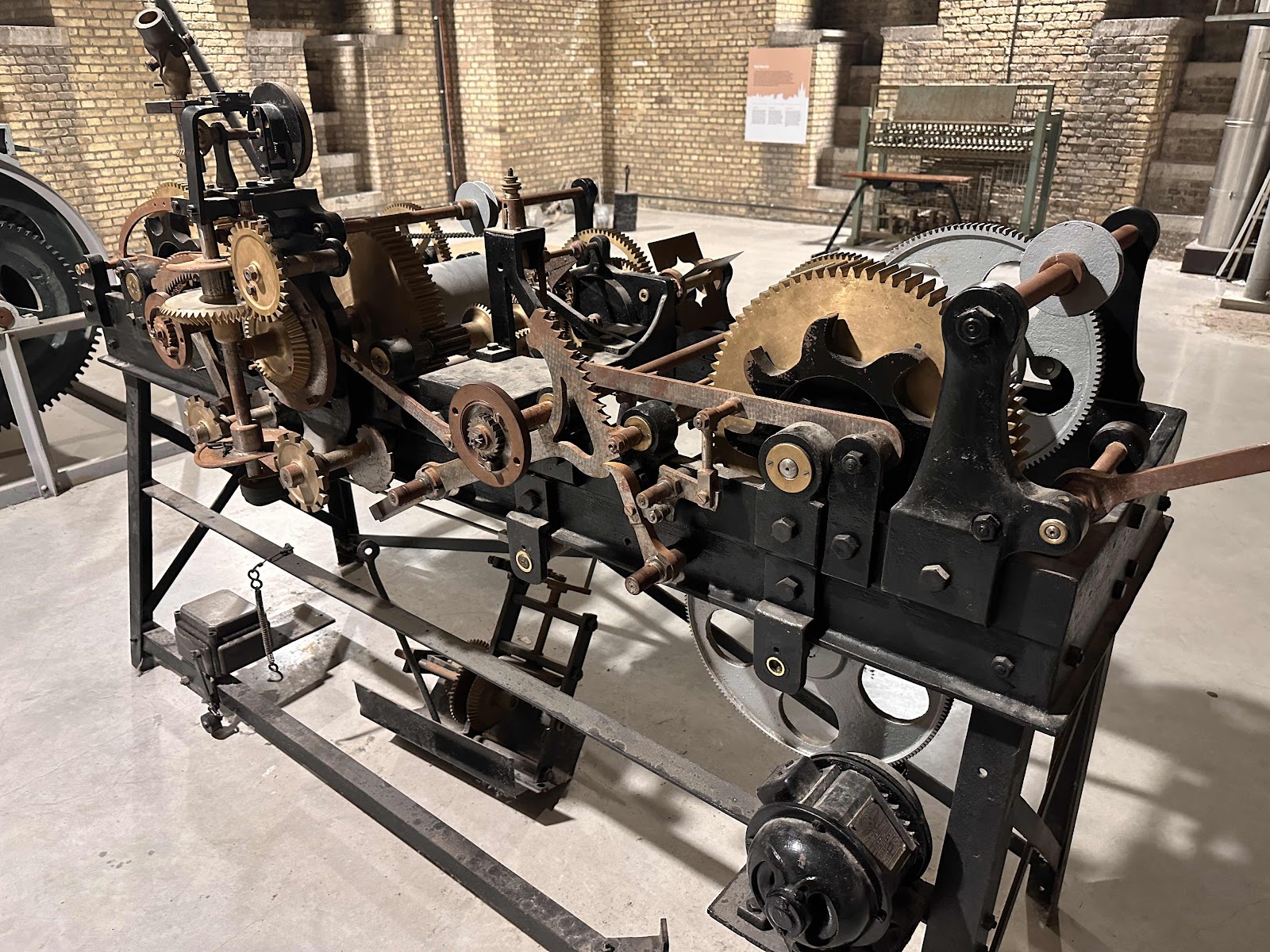
This clock was made in 1934 when the reconstructed belfry was provided with a new 36-bell carillon.
200 steps to get up there, was knackered.
But the view made it worth while. What is not shown in these photos is Deb clinging onto the railings because it was ‘too high’. Apparently the 200 steps gave no clue that it might be a little bit ‘in the air’.
Finally we took a ride out to Tyne Cot Cemetery & Memorial.
Here over 11,000 ex service men are laid to rest with over 90% of them being British. Also laid to rest are the French, Belgians, Canadians, Australians and strangely 4 Germans.
This is the largest Commonwealth War Graves Commission
(CWGC) cemetery in the world. It is the final resting place of nearly 12,000 First World War servicemen, more than 8,300 of whom remain unidentified. They died in the fighting around Ypres (leper) from 1914 to 1918, but most fell during the Battle of Passchendaele, also known as the Third Battle of Ypres, in 1917.
The name "Tyne Cot" is said to come from the Northumberland Fusiliers, seeing a resemblance between the many German concrete pill boxes on this site and typical Tyneside workers' cottages (Tyne cots)
And finally a random picture that we struggle to explain

Comments
Post a Comment